Gaming vision for honest progression and lasting enjoyment
We explore no pay to win models, fair progression systems, free games ecosystems, balanced gameplay design in modern titles from a Brasil-based perspective.
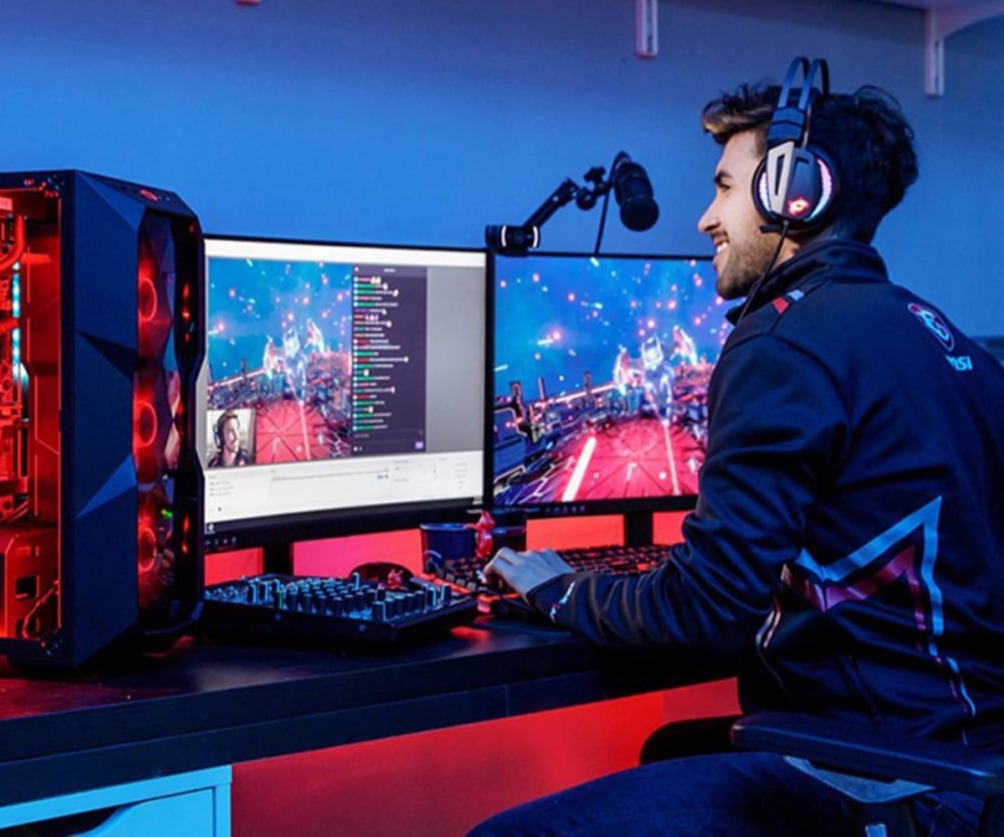
We explore no pay to win models, fair progression systems, free games ecosystems, balanced gameplay design in modern titles from a Brasil-based perspective.
We are a non-commercial blog based in Brasil dedicated to analyzing how modern game design evolves around no pay to win principles and why this approach matters for long-term player trust. Our content focuses on fair progression as a structural philosophy that defines how players grow, learn, and compete without artificial financial advantage. We also study the rise of free games and how accessibility shapes global gaming communities, especially in emerging markets and diverse player ecosystems.
A key part of our analysis is balanced gameplay, where skill, time investment, and strategic thinking are prioritized over monetization pressure. We aim to understand how developers create systems that remain engaging without compromising fairness. Our work does not promote services or products; instead, it documents ideas, patterns, and evolving industry standards.
Across all publications, we consistently revisit no pay to win, fair progression, free games, and balanced gameplay to maintain a coherent analytical perspective. Our mission is to offer readers a neutral, structured understanding of how modern games can remain competitive, accessible, and rewarding without financial imbalance.
We provide clear and structured insights into game systems without commercial influence. Our focus on no pay to win helps readers understand fairness in design, while fair progression is examined as a key factor in long-term engagement. We also analyze free games accessibility and how it shapes communities, alongside balanced gameplay principles that ensure fair competition and enjoyment.
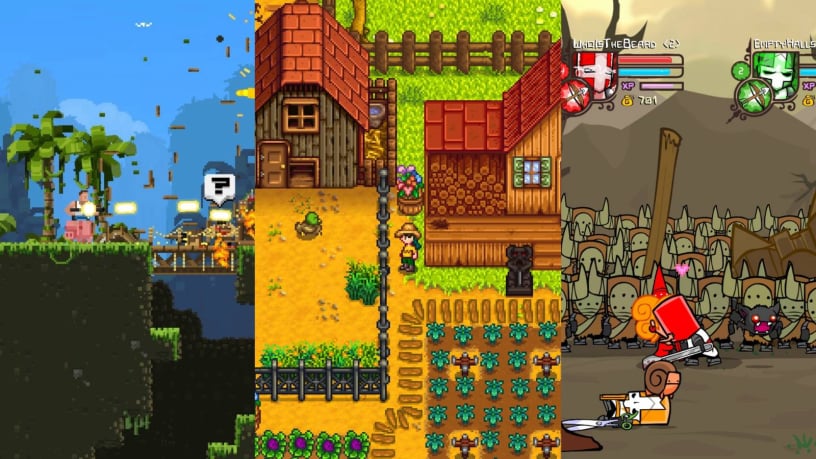
Our content is shaped by player experiences and global discussions, including insights from Brasil’s gaming community. We evaluate no pay to win structures from the perspective of fairness and trust. Fair progression is discussed in relation to player satisfaction, while free games are seen as gateways to inclusive gaming. Balanced gameplay remains central to how we interpret system design.
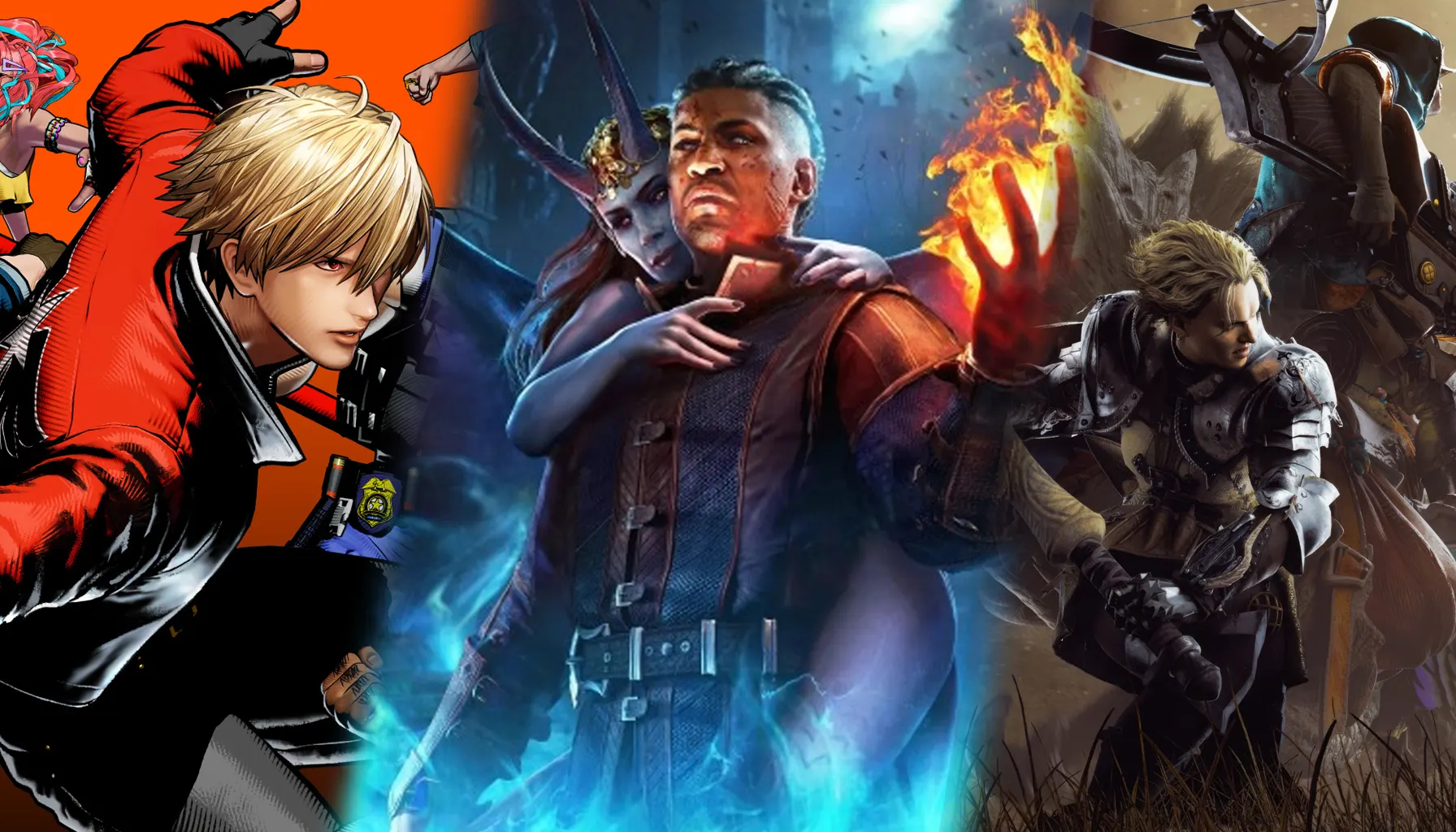
We aim to educate readers about how modern games are built and why design choices matter. Through no pay to win analysis, we explain how monetization affects fairness. Our exploration of fair progression highlights meaningful growth systems. We also break down free games ecosystems and emphasize balanced gameplay as a foundation for sustainable and engaging experiences.
Our mission is to observe and document how the gaming industry evolves while preserving integrity in design. We focus on no pay to win environments as a foundation for ethical engagement between players and developers. Through research and discussion, we highlight how fair progression systems can improve retention, satisfaction, and long-term enjoyment.
We believe that free games should not compromise quality or competitiveness, and that accessibility can coexist with depth. By studying balanced gameplay, we aim to show how mechanics, progression loops, and reward systems can support fairness without reducing challenge.
From a Brasil-based perspective, we also consider regional gaming cultures and how global trends influence local communities. Our mission remains purely informational: to explore, explain, and reflect on no pay to win, fair progression, free games, and balanced gameplay as essential pillars of modern interactive entertainment.

“No pay to win” describes game systems where purchases do not create competitive advantage. In no pay to win environments, players rely on skill and effort rather than spending. This design approach is often linked with fair progression, ensuring equal growth opportunities. Many free games adopt this model to attract larger audiences, while maintaining balanced gameplay so that success depends on strategy rather than money.
Not always. Some free games include monetization systems that may affect balance, while others strictly follow no pay to win principles. When designed properly, fair progression helps maintain equality between paying and non-paying players. Combined with balanced gameplay, it ensures that free access does not compromise competitive integrity or long-term enjoyment.
Yes, competitive environments can remain fair without monetized advantages. In no pay to win systems, victory is determined by skill and knowledge. Fair progression ensures equal access to tools and upgrades, while free games can still support large competitive communities. Balanced gameplay ties everything together by preventing dominant strategies from breaking fairness.
Fair progression ensures that all players advance through consistent rules and achievable goals without artificial barriers. In no pay to win systems, this becomes essential for maintaining trust. Many free games use fair progression to keep players engaged over time, while balanced gameplay ensures that difficulty and rewards remain consistent and meaningful for everyone.
Balanced gameplay ensures that no single strategy, character, or purchase dominates the experience. In no pay to win systems, this balance is critical for fairness. Many free games rely on strong balancing to retain players, while fair progression supports steady growth without unfair advantages, creating a more engaging and competitive environment.
Many players prefer no pay to win games because they create a sense of fairness and achievement. Fair progression allows everyone to improve at a similar pace, while free games make access easy for a wide audience. With strong balanced gameplay, players feel that success is earned through effort rather than financial investment, which increases long-term satisfaction.
We invite readers from Brasil and around the world to explore our ongoing analysis of modern gaming systems. If you are interested in no pay to win environments, this space offers reflections on how fairness can shape better player experiences. Our discussions on fair progression highlight how long-term engagement is built through thoughtful design rather than monetary advantage.
We also cover the evolution of free games, showing how accessibility can expand communities without reducing depth or quality. Through balanced gameplay, we examine how mechanics can support both challenge and enjoyment simultaneously.
By joining us, you become part of a neutral, non-commercial space focused on understanding no pay to win, fair progression, free games, and balanced gameplay as guiding principles in modern gaming culture.

Modern game design increasingly focuses on no pay to win structures that prioritize skill over spending. In many free games, developers aim for fair progression so players grow at a steady and equal pace. This supports balanced gameplay where outcomes depend on strategy rather than purchases. The combination of no pay to win, fair progression, free games, and balanced gameplay helps create sustainable experiences for all players. It is especially important in competitive environments where long-term engagement matters.
Game systems are evolving toward no pay to win models that reduce financial pressure on players. Many free games now integrate fair progression systems that reward time and skill equally. This shift encourages balanced gameplay where mechanics remain consistent for all participants. The presence of no pay to win design, fair progression, free games, and balanced gameplay reflects a broader industry move toward fairness. This trend continues globally.

Player experience improves when no pay to win systems remove unfair advantages between users. In free games, fair progression ensures that every player can advance without spending money. Balanced gameplay further refines this experience by keeping mechanics stable and competitive. Together, no pay to win, fair progression, free games, and balanced gameplay form a foundation for long-term engagement and satisfaction among players.

Developers increasingly adopt no pay to win principles to ensure fairness across all player levels. In many free games, fair progression is implemented to support long-term retention and satisfaction. Balanced gameplay maintains competitive integrity and enjoyable mechanics. By combining no pay to win, fair progression, free games, and balanced gameplay, studios create sustainable ecosystems for players worldwide. This approach benefits both players and developers over time.
This blog began as a small initiative in Brasil driven by curiosity about why certain games feel more rewarding than others. Over time, that curiosity turned into structured observation of no pay to win systems and how they affect player motivation. Early discussions centered on identifying what makes fair progression meaningful in both competitive and cooperative environments.
As the community grew, so did our understanding of free games ecosystems and how they reshape access to entertainment across different regions. We noticed that accessibility often determines how long players remain engaged and how communities form around shared experiences.
Eventually, we began analyzing balanced gameplay as a core principle connecting all these ideas. It became clear that fairness, progression, and design balance are deeply interconnected. Today, our story continues as an ongoing exploration of no pay to win, fair progression, free games, and balanced gameplay, documented through neutral and research-driven writing.
These readers want to understand how games work beyond surface-level enjoyment. They are interested in no pay to win structures and how fairness impacts competition. They explore fair progression systems to see how growth is designed, engage with free games for accessibility, and appreciate balanced gameplay as a sign of quality design.
This group focuses on mechanics, systems, and industry trends. They study no pay to win models to evaluate ethical design choices. Fair progression is important to them as a structural principle, while free games provide case studies for accessibility. They also analyze balanced gameplay to understand long-term engagement systems.
These readers are interested in how games bring people together. They value no pay to win environments that support fairness in interaction. Fair progression helps them understand retention and motivation. Free games are seen as inclusive spaces for community growth, and balanced gameplay ensures stable, enjoyable group experiences.
R. Lupicínio Rodrigues, 484 - Jardim Alvorada, Sorriso - MT, 78894-087, Brazil